



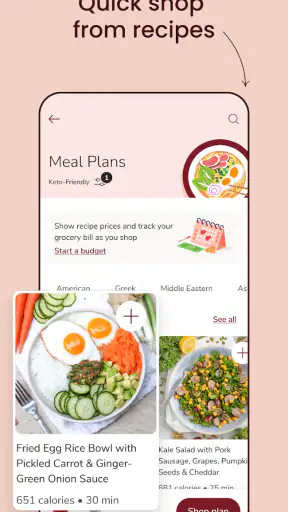
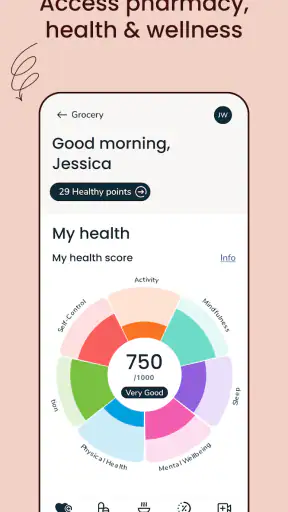
My first impression of Jewel-Osco Deals & Delivery was that it is built for the practical moments when grocery shopping needs to be organized quickly, not for browsing food products for entertainment. It brings Jewel-Osco shopping, digital deals, prescription refills, and grocery pickup or delivery into one place. After using it as a shopping tool rather than judging it by its first few minutes, I found its real value comes from whether it becomes part of a weekly routine.
This is a free shopping app from Albertsons Companies, Inc., aimed at Everyone and available for Android devices running version 8.0 or later. The current version is 2026.27.0, and the app has been around since Apr 3, 2018. Its audience is already substantial, with more than a million installs, an average rating of 4.7, roughly 129 thousand ratings, and about 8.5 thousand written reviews. Those figures suggest that it is not a short-lived experiment, although popularity alone does not guarantee that it will suit the way you shop.
From the first week to a dependable grocery habit
Why the first few shopping trips feel useful
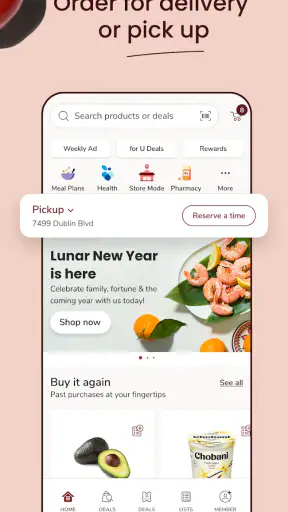
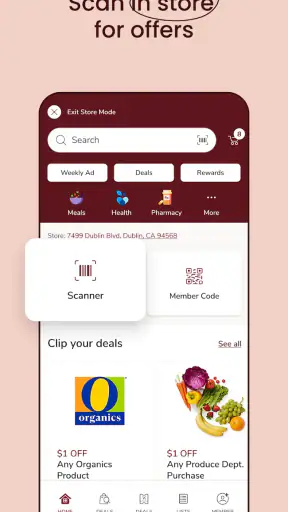
The strongest early appeal is convenience. Instead of moving between a store website, a separate coupon process, a pharmacy counter, and a delivery service, I can begin with the same Jewel-Osco app and decide whether I want to shop for pickup, delivery, or an in-store visit. That central starting point matters most when I already know what I need and want to reduce the number of small decisions involved in the trip.
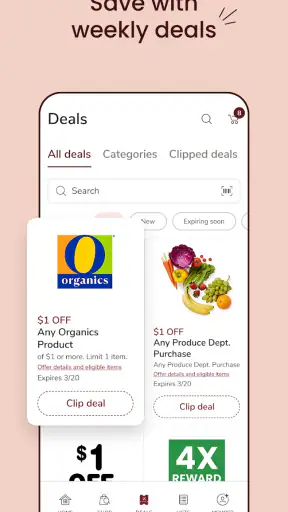
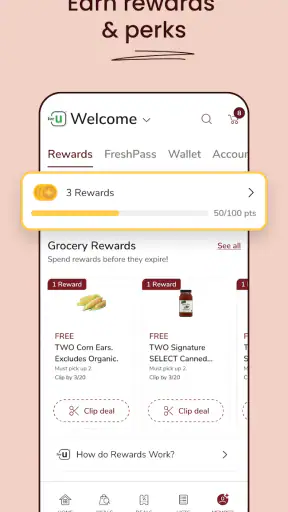
The deals area is also more useful when treated as preparation rather than entertainment. I found it sensible to check available offers before building a basket, especially for products I buy regularly. This changes the order of shopping: rather than filling a cart and hoping a discount appears later, I can look at deals first, identify likely staples, and then add the items that actually fit my household’s needs.
There is a subtle trade-off here. Digital coupons can make an app feel rewarding during the first week, but they also create another task to remember. If I clip deals without checking whether I would have bought the product anyway, the apparent saving can encourage unnecessary purchases. My best results came from using the app as a filter for planned groceries, not as a reason to invent a larger shopping list.
A realistic weekly scenario
Imagine a busy weekday evening. I notice that breakfast items, vegetables, and a few household staples are running low, while a prescription also needs attention. With this app, I can make the grocery list, review relevant deals, choose pickup or delivery, and handle a refill request from the same general shopping environment. The advantage is not that every step becomes effortless; it is that I do not need to remember several unrelated places to complete the routine.
For a parent planning around school schedules, or for someone who does not want to spend time walking every aisle, pickup can be the most appealing option. Delivery is more useful when leaving home is difficult or when the timing of a store visit is inconvenient. In both cases, the app moves some of the work from the store to the planning stage, where I can make decisions with a little more time and less pressure.
I would still check the final basket carefully. A digital list is not the same as physically seeing a product, and substitutions or unavailable items can affect the outcome of an online grocery order. The app makes ordering more convenient, but it does not remove the need to review quantities, sizes, and the total before completing the purchase.
What makes it different from ordinary grocery shopping
The usual alternative is a paper list followed by an in-person visit. That method remains better for people who like to compare produce directly, make spontaneous choices, or adjust their meal plans while walking through the store. Jewel-Osco Deals & Delivery is better when the priority is repeatability: I know what I need, I want to remember deals, and I would rather collect the order or have it brought to me.
Another alternative is using a general delivery marketplace. Such services can be convenient when I shop across several retailers, but a retailer-specific app has a clearer relationship with one store’s grocery selection, deals, and pharmacy workflow. The compromise is obvious: this app is most useful if Jewel-Osco is already one of my regular stores. If I routinely split purchases among many supermarkets, a broader service may be easier to manage.
The first-week habits worth building
I recommend starting with a small, realistic order instead of trying to redesign the entire household grocery system immediately. Add the products you buy every week, inspect the deal section before checkout, and compare the pickup or delivery choice with the time you actually have available. This makes it easier to see whether the app saves effort rather than merely shifting effort into screen time.
A particularly useful habit is separating “planned” and “tempting” purchases mentally. I would clip an offer only after asking whether the item belongs on my normal list. That simple pause protects the budget better than chasing every highlighted deal. It also makes the app more sustainable because I am using it to support a routine, not depending on constant novelty.
What remains valuable after the novelty fades
After the first few uses, the excitement of discovering deals naturally decreases. That is not a weakness by itself; grocery tools are supposed to become boring in the best possible way. The question is whether the app continues to remove friction from recurring tasks. For me, the lasting value rests on three connected routines: checking offers before shopping, placing a repeatable grocery order when time is limited, and managing prescription refills without treating them as a completely separate errand.
The app is especially convincing for households that shop at Jewel-Osco frequently. A person who visits only occasionally may not gain enough from learning the deal workflow or maintaining a digital shopping habit. In that case, an ordinary store visit can be simpler. The app earns its place when it is used repeatedly enough that the saved planning time matters.
Deals are helpful only when they match real buying patterns
My main advice for month-to-month use is to judge savings by the final basket, not by the number of offers collected. A deal on a familiar staple is meaningful because it fits an existing need. A deal on an unfamiliar or surplus item may increase spending, storage problems, or food waste. The app can surface opportunities, but I still have to supply the judgment.
This is one of the less obvious trade-offs of a coupon-centered grocery app: the more often I check it, the more likely I am to notice products I had not planned to buy. That can be useful for discovering alternatives, but it can also make the shopping process feel like a stream of prompts. I get better long-term results when I open the app with a purpose, such as preparing a weekly order or checking a prescription, rather than browsing without a plan.
Pickup, delivery, and the value of control
Pickup and delivery solve different problems, so I would not treat them as interchangeable. Pickup can preserve more control over timing and may suit someone who is already passing near the store. Delivery is the stronger choice when transportation, mobility, weather, or a crowded schedule makes a store visit difficult. The right option depends less on the app itself than on what kind of inconvenience I am trying to remove.
For a large household order, online planning can also make quantities easier to review before committing. I can think through meals and staples without the distraction of aisles. On the other hand, in-person shopping remains preferable when I need to judge freshness, choose exact sizes, or make flexible substitutions as I go. I would use the app for planned essentials and keep an in-store option available for purchases where inspection matters more.
Prescription refills add practical recurring value
The prescription refill function gives the app a broader role than a simple grocery coupon tool. If Jewel-Osco is also part of my pharmacy routine, having refills alongside grocery planning can reduce the chance that a medication task gets forgotten during a busy week. It is a small feature in terms of screen space, but potentially a significant one in everyday organization.
I would not assume that a refill request means the medication is immediately ready. A responsible workflow still requires checking the request status and allowing time for the pharmacy process. The benefit is that I can start the task from home instead of relying entirely on a phone call or an extra trip. For someone who does not use Jewel-Osco for prescriptions, this part of the app will naturally have little impact on its value.
Keeping the app useful without letting it manage the whole budget
The best monthly routine is deliberately limited. I would review deals before the main shop, build the order around meals and household necessities, and then stop browsing once the basket is complete. This prevents the app from turning every grocery visit into an open-ended search for discounts.
I would also compare the convenience of delivery or pickup with the cost and effort of an in-store trip in my own circumstances. The app makes the ordering path easier, but convenience has value only when it solves a genuine problem. If I am already near the store and need only a few items, opening the app, organizing a basket, and arranging fulfillment may take more effort than walking in.
Where maintenance begins
Like any shopping app, this one asks for ongoing attention. Lists need updating, old items should be removed, and deals need to be checked rather than assumed. A forgotten list can become cluttered with products that no longer reflect how I eat. The maintenance is not difficult, but it is real, and it determines whether the app feels like a helpful assistant or another place where unfinished tasks accumulate.
I would keep the workflow simple: maintain one dependable list for recurring products, add temporary items only when needed, and review the basket before placing an order. That approach avoids turning the app into a detailed inventory system. It is a grocery companion, not a replacement for personal planning.
Sources of fatigue during repeated use
The first source of fatigue is deal overload. When an app presents many possible savings, the user may feel obligated to inspect everything. That is not always a saving of time. I prefer scanning for products already on my list and ignoring the rest unless I am intentionally looking for alternatives.
The second is the difference between digital confidence and physical certainty. A product can look straightforward in an online listing, while the in-store experience may involve a different size, flavor, or availability. This is why I treat the final review as essential, especially for recipes that depend on a particular product.
The third is dependence on one retailer. The app is focused, which is its strength, but that focus can feel restrictive if I want to compare several stores in one session. Someone who shops wherever the best deal appears may prefer a broader comparison tool, even if that means losing the direct connection to Jewel-Osco’s own shopping and pharmacy routines.
Who should make it part of a routine
I think the app is a strong fit for regular Jewel-Osco shoppers who want grocery planning, deals, fulfillment choices, and prescription refills in one place. It is also well suited to people who value a repeatable weekly process more than spontaneous browsing. Families, caregivers, and busy workers may appreciate being able to prepare an order when they have a quiet moment and choose a less demanding way to receive it.
It is less suitable for someone who rarely shops at Jewel-Osco, prefers to select every item in person, or dislikes managing digital coupons. It may also be unnecessary for a shopper whose needs are limited to a few quick items and who does not use the pharmacy. In those situations, a paper list, a direct store visit, or a multi-retailer shopping service could be more natural.
My long-term verdict
After the novelty fades, Jewel-Osco Deals & Delivery remains useful because it connects several recurring errands instead of offering only another way to view products. Its strongest contribution is habit support: I can prepare a realistic grocery order, look for relevant deals, choose pickup or delivery, and remember the pharmacy task when it belongs to the same weekly routine.
That value is conditional rather than universal. The app does not make every grocery decision automatic, and it cannot replace the judgment needed for substitutions, quantities, freshness, or spending. Its deal features require discipline, while its retailer focus limits its usefulness for people who compare many stores. Those are fair trade-offs if Jewel-Osco is already part of your life.
For me, this is an app that earns lasting space when used with boundaries. I would keep it installed if I regularly shop at Jewel-Osco, use its pharmacy, or benefit from pickup and delivery. I would skip it if my shopping is occasional or mainly based on browsing several retailers. With a simple list, a quick deal review, and a final basket check, it becomes a practical weekly tool rather than an app I open once and forget.
As a free shopping app from Albertsons Companies, Inc., with an Everyone age rating and a mature presence on Android, it offers enough recurring usefulness to justify trying. My recommendation is straightforward: install it when Jewel-Osco is one of your normal grocery destinations, test it across several ordinary shopping trips, and judge it by the time and planning it saves after the initial curiosity has disappeared.


